My insurance agent laughed. Not a big belly laugh, not a cruel one. Just a small chuckle, the kind that says "you're worrying about nothing" without actually saying it. I had asked about flood coverage for my house in Denver. "Denver?" she said, looking up from her laptop. "You're not in a flood zone. You're in a desert. Save your money."
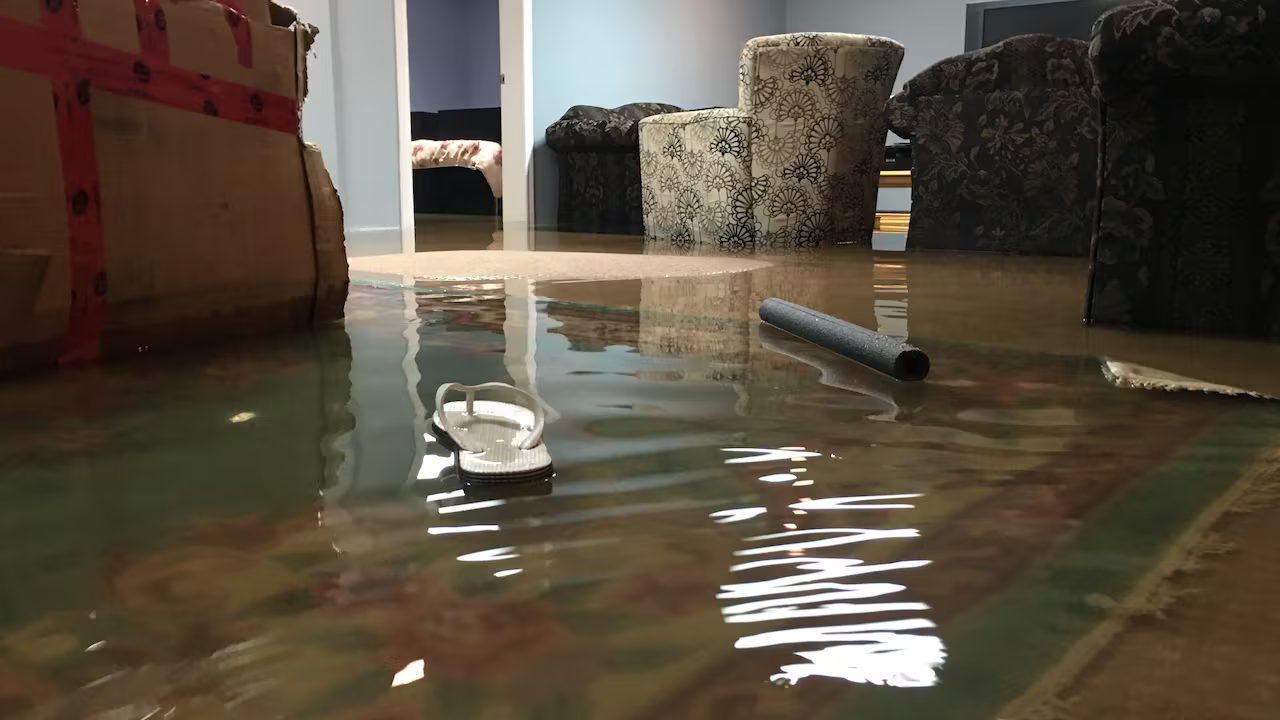
Two weeks later, my basement was a swimming pool.
I'm Marcus Tiernan. I run insurancecalctool.org from Denver, Colorado, a city that has seen more flash floods in the past five years than in the previous fifty. I thought I understood risk. I had the standard homeowner's policy, the one that covers fire and theft and wind damage. I had the deductible calculated. I had the replacement cost estimator. What I didn't have was a clue about what my policy actually excluded.
The storm came in June 2026. A typical Colorado afternoon thunderstorm, except it wasn't typical. It sat over my neighborhood for three hours, dumping four inches of rain in a region that averages sixteen inches annually. The ground, hardened by drought, couldn't absorb it. The streets became rivers. The rivers became monsters. And my basement, which had never seen a drop of water in twelve years, filled to the window wells.
I stood at the top of the stairs watching my water heater float like a toy boat. The carpet — new carpet, installed six months ago — was a sponge. The drywall was weeping. And my homeowner's policy, the one I had paid faithfully for a decade, covered exactly zero of it. Because it was flood damage. And flood damage, I learned too late, requires a separate policy.
The National Flood Insurance Program (NFIP) has been around since 1968. Most people don't know it exists until they need it. I certainly didn't. I had assumed, like most homeowners, that "water damage" was water damage. A pipe bursts? Covered. Roof leaks? Covered. Rain falls from the sky in biblical quantities and enters through your foundation? Not covered. Not unless you have a flood policy.
My agent's laughter haunted me as I waded through six inches of water in my basement. She wasn't a bad person. She was following conventional wisdom. Denver isn't a coastal city. It isn't in a designated flood zone. The risk seemed remote. But remote risk is not zero risk, and in 2026, the map is changing faster than the insurance industry can keep up.
Climate change has made extreme weather events more frequent and more unpredictable. The 2026 hurricane season is forecast to be above average. Flash floods are hitting areas that have never seen them. Wildfires, followed by rain, create mudslides that destroy homes miles from the fire line. The old risk models are breaking, and homeowners are paying the price.
The cost of my flood damage was $34,000. My deductible on a hypothetical flood policy would have been $1,000. The annual premium for that policy, according to FEMA's new Risk Rating 2.0 system, would have been around $800. I could have paid for twenty years of coverage with what I spent on one afternoon of rain.
I was angry. Not just at my agent, but at myself. I had done the math on everything else. I had compared rates. I had read the declarations page. But I had never read the exclusions. Page 47 of my policy, in language so dry it could start a wildfire, listed "flood" as an excluded peril. I had signed it without reading it. I had initialed the page without understanding it. I had, in effect, bet $34,000 that my basement would never flood. I lost.
The 2026 insurance market is in turmoil. Premiums are rising. Coverage is narrowing. Some carriers are pulling out of high-risk states entirely. And homeowners, caught between rising costs and shrinking protection, are making desperate choices. Some are dropping coverage entirely. Others are underinsuring, hoping the big one never comes. Both strategies are gambles, and the house is winning.
I rebuilt my basement. It took two months and most of my emergency fund. I also bought a flood policy, even though my agent — a different agent now — initially pushed back. "You're still not in a flood zone," she said. "I don't care," I replied. "I've seen what not in a flood zone looks like."
The tools on this site are designed to prevent what happened to me. The insurance calculator helps you estimate what you actually need, not just what your agent wants to sell. The flood risk assessor uses climate data, not just FEMA maps, to show you the real picture. The coverage gap finder highlights the exclusions that could bankrupt you.
If you own a home, read your policy. Not the declarations page. The whole thing. The exclusions section. The definitions. The fine print that seems designed to make you stop reading. And if you don't understand it, ask questions. Demand answers. And if your agent laughs at you for asking about flood coverage in a "desert," find a new agent.
The climate is changing. Your insurance should change with it. Because the water doesn't care what your policy says. It just comes.
When was the last time you read your policy's exclusions?
